
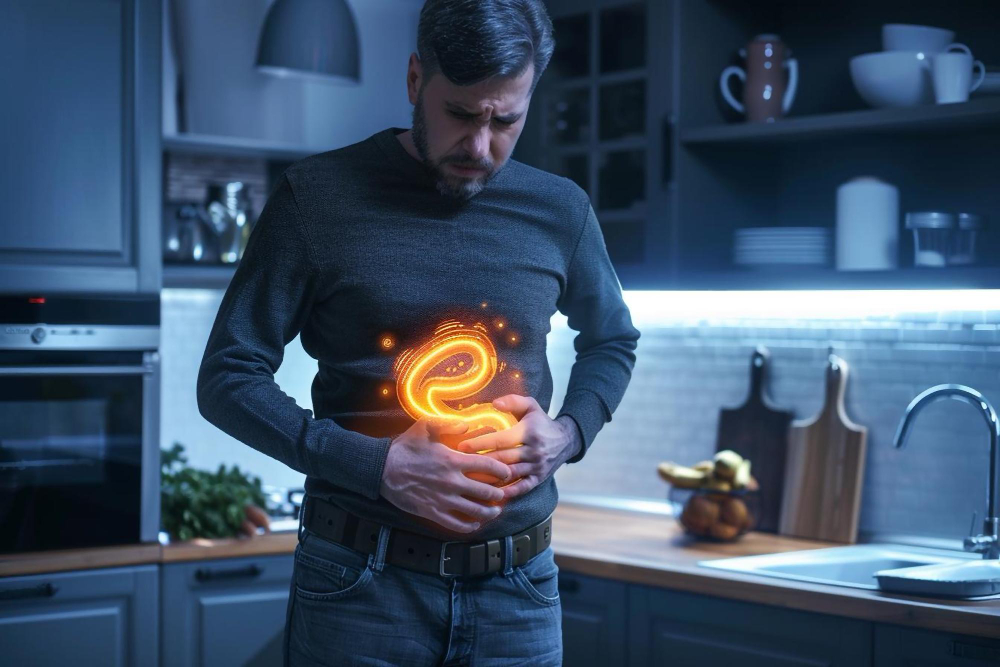
Gastritis means your stomach lining is swollen or irritated. This problem can make your stomach hurt or feel uncomfortable. Sometimes, it happens quickly. Other times, it can last for weeks or even longer. Many people do not know what causes their pain. However, H. pylori and gastritis are often linked. According to the World Health Organization (WHO), this condition affects millions worldwide.
Gastritis can feel different for everyone. Still, some signs are very common. For example, you may notice:
Sometimes, people also see dark stools or vomit that looks like coffee grounds. If this happens, seek medical help right away. Not all stomach pain causes are serious, but it is important to know when to get help.
H. pylori is a type of bacteria that lives in the stomach. Although many people have it, most do not know. In fact, the Centers for Disease Control and Prevention (CDC) says that about half the world’s people carry H. pylori. Yet, only some get sick from it. For years, doctors did not realize this tiny germ could cause big problems. Now, we know H. pylori infection is a leading cause of gastritis and even ulcers.
Once H. pylori enters your stomach, it can damage the lining. As a result, your stomach becomes sore and inflamed. Over time, this can lead to pain, bloating, and other symptoms. Sometimes, the bacteria make your stomach produce more acid. This extra acid can make the pain worse. Because H. pylori hides in the stomach lining, it is hard for your body to fight it off without help. That is why treating H. pylori gastritis is so important.
Doctors use several tests to find out if you have H. pylori. For instance, you might need:
Because symptoms of gastritis can look like other stomach problems, proper gastritis diagnosis is key. Early testing helps your doctor choose the best treatment.
Doctors usually treat H. pylori infection with medicine. Most often, you will take two or more antibiotics. This helps make sure the bacteria go away for good. In addition, you may get medicine to lower stomach acid. Lower acid helps your stomach heal faster. According to the CDC, most people feel better after treatment. However, it is important to finish all your medicine, even if you start to feel well. Treating H. pylori gastritis can prevent more serious problems, such as ulcers.
While you cannot always avoid H. pylori, you can lower your risk. For example, you can:
Additionally, try to eat smaller meals and avoid spicy foods if they bother your stomach. If you smoke or drink alcohol, cutting back can also help your stomach heal. These steps may not prevent all cases, but they can make a big difference in your health.
Book your appointment today and take charge of your health.