
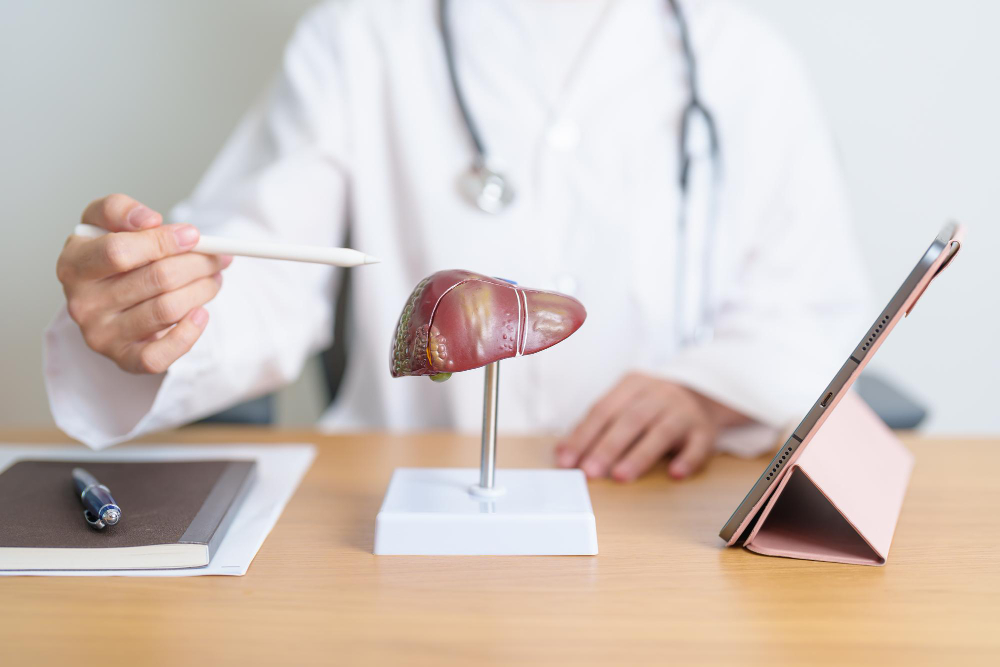
Liver function tests are common blood tests that help check how well your liver works. Doctors often use these tests to look for signs of liver disease or damage. Because your liver is important for many body functions, keeping it healthy matters. In many cities, clinics offer quick and easy access to these tests. Understanding what liver function tests show can help you take better care of your health.
Liver function tests are a group of blood tests that measure different chemicals made by your liver. These tests help doctors learn if your liver is working as it should. For example, they can show if your liver is inflamed or damaged. Sometimes, these tests are called liver panels or hepatic panels. Each test looks at a different part of liver health.
Doctors may order liver function tests for many reasons. For instance, you might need them if you have symptoms like yellow skin, dark urine, or stomach pain. Sometimes, these tests are part of a routine checkup. In addition, doctors use them to:
Early testing can help find problems before they get worse.
Liver function tests include several main blood tests. Each one checks a different part of liver health. Here are the most common types:
Doctors often look at all these tests together to get a full picture.
Liver function tests are simple blood tests. First, a nurse or technician cleans your arm with alcohol. Next, they use a small needle to take a blood sample from a vein. The process usually takes just a few minutes. Afterward, your blood goes to a lab for testing. Most people feel only a quick pinch. You can return to normal activities right after the test.
When you get your liver blood test results, you may see numbers for each test. But what do these numbers mean? Normal liver function test ranges can vary by lab, but most results include a reference range. If your numbers are outside this range, it does not always mean you have a problem. For example, mild changes can happen from exercise or medicines. However, high or low results may show liver injury, infection, or other health issues. Your doctor will explain what your results mean for you. For more details, you can ask for your liver blood test results explained in plain language.
Many things can change your liver function test results. For instance, some common factors include:
Because of these factors, your doctor may ask about your habits and health history. Sometimes, they may repeat the test to confirm the results.
Preparing for a liver function test is simple. Still, a few steps can help you get the best results. Here are some tips:
For more advice, you can search for how to prepare for a liver function test in your area.
Keeping your liver healthy is important for your whole body. To help your liver work well, you can:
According to the CDC and WHO, these steps can lower your risk of liver disease. In some cities, local health centers offer programs to support liver health. Always talk to your doctor if you have questions about your liver or test results.
If you have questions about your liver health or test results, our team at Wellnex Diagnostics Center | Ameenpur-HYD is here to help. Schedule a consultation today for clear answers and support.