
Vitamin D is a nutrient your body needs for strong bones and a healthy immune system. Many people do not get enough, which leads to vitamin D deficiency. For example, your body uses vitamin D to absorb calcium. Without enough, bones can become weak or soft. In addition, vitamin D helps your muscles and nerves work well. Because of its many roles, keeping your vitamin D levels healthy is important for everyone.
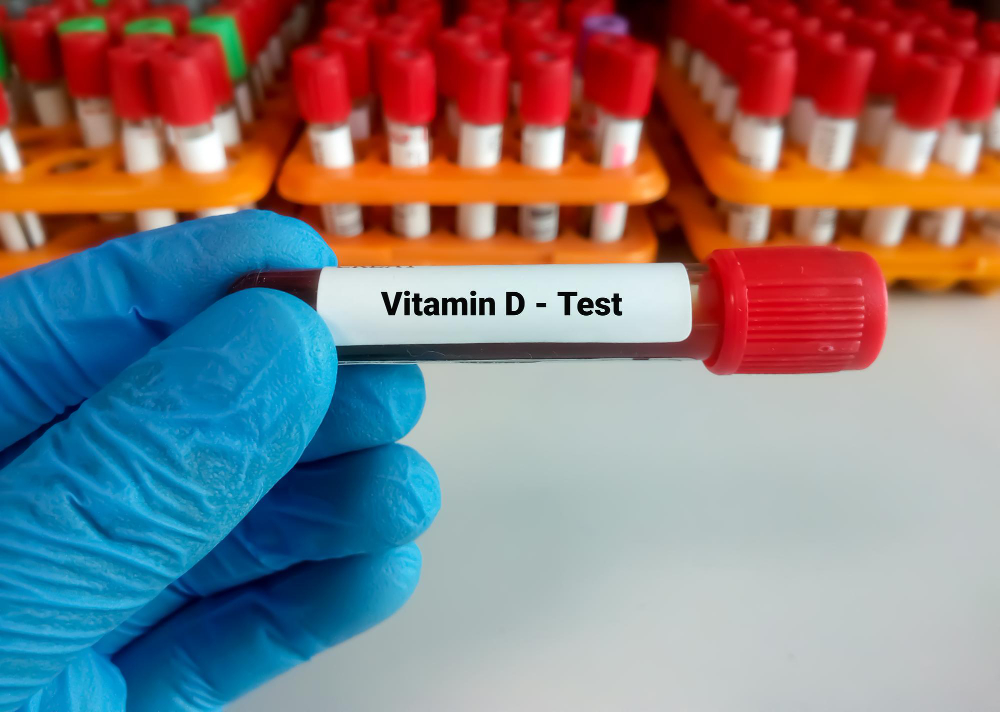
A vitamin D test is a simple blood test. It measures the amount of vitamin D in your blood. Doctors use this test to check if you have low vitamin D levels. Usually, the test looks for a form called 25-hydroxyvitamin D. This is the best way to see if you have enough vitamin D. If your levels are low, your doctor may suggest ways to increase vitamin D levels. Many people get this test if they have symptoms or risk factors for vitamin D deficiency.
Often, vitamin D deficiency does not cause clear symptoms at first. However, some people may notice signs as their levels drop. For example, you might feel tired or weak. In some cases, you may have muscle aches or cramps. Children with low vitamin D may have bone pain or delayed growth. Adults can develop bone pain or even fractures more easily. Here are some low vitamin D symptoms to watch for:
There are many reasons why vitamin D deficiency is common. First, your body makes vitamin D when your skin gets sunlight. However, many people spend most of their time indoors. In addition, sunscreen blocks vitamin D production. Some foods have vitamin D, but not enough to meet daily needs. Certain groups are at higher risk, such as older adults, people with darker skin, or those with certain health problems. Here are some common risk factors for vitamin D deficiency:
Doctors use a vitamin D blood test to check your levels. Usually, they order this test if you have symptoms or risk factors. The test is quick and safe. After the blood sample is taken, a lab checks your vitamin D level. If your result is low, your doctor will talk to you about next steps. Sometimes, more tests are needed to find the cause. For most people, the blood test gives a clear answer.
If you have vitamin D deficiency, treatment is simple and effective. Most people need to take vitamin D supplements. Your doctor will tell you the right dose. Sometimes, you may need a higher dose for a short time. In addition, eating foods rich in vitamin D can help. For example, fatty fish, eggs, and fortified milk are good choices. Getting safe sun exposure may also raise your levels. However, always follow your doctor’s advice for the best results.
Preventing vitamin D deficiency is possible with a few easy steps. First, try to get some sunlight each day. Even 10 to 15 minutes can help. However, always protect your skin if you stay out longer. Next, eat foods that have vitamin D. For example, choose fortified cereals, dairy, or fish. Some people may need a daily supplement, especially in winter or if they have risk factors. Here are some tips on how to increase vitamin D levels:
If you have symptoms or risk factors for low vitamin D, a simple blood test can help. Visit Wellnex Diagnostics Center to check your vitamin D levels and take the next step toward better health.